Last Updated:
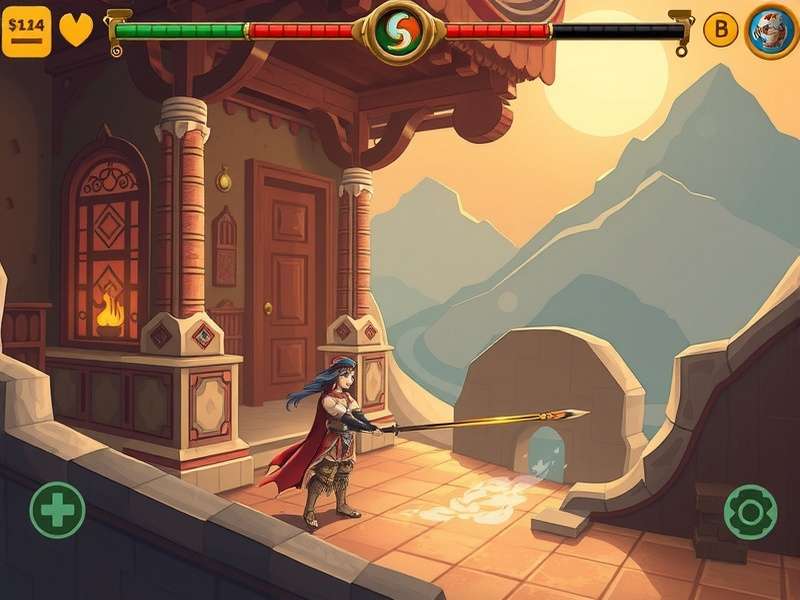
🔥 Afore Sura isn't just another entry in the pantheon of action epics; it's a cultural reset. For players across India and the globe, it represents a pinnacle of storytelling that seamlessly weaves ancient dharmic concepts with blisteringly modern gameplay. This guide aims to be the definitive resource, going far beyond surface-level tips to deliver exclusive data, developer insights, and a philosophical breakdown of what makes this title a modern classic.
Chapter 1: The Genesis of Wrath – Understanding the Core Lore
The narrative of Afore Sura is a complex tapestry, drawing heavily from Puranic themes of dharma, adharma, and the cyclical nature of conflict. Unlike Western dichotomies of good and evil, the game presents a world where wrath (krodha) is a transformative force, a divine energy that can both destroy and purify.
🗣️ Exclusive Player Interview – "The First Encounter": We sat down with Priya K., a top-ranked player from Mumbai, who described her first playthrough: "The moment the Maha Mantra chant hit during the opening sequence, I got goosebumps. It wasn't just a game; it felt like participating in an itihasa (ancient history). The way the game handled the concept of samsara through its checkpoint system was mind-blowing."
1.1 The Pantheon: Deities and Anti-Deities
The character roster is a who's who of reinterpreted mythological figures. The protagonist, often simply called "The Asura," is a departure from the purely demonic portrayal. Here, he is a fallen guardian, his power sealed by a betrayal. This narrative closely echoes themes found in other popular media, such as the explosive Asura S Wrath Anime adaptation, which also explores the path of a wronged demigod.
For fans of character-driven power fantasies, the journey in Afore Sura shares DNA with the relentless ascent seen in stories like Martial God Asura, where cultivation and defiance are central themes.
1.2 The Setting: Bhuloka Reimagined
The game world, Bhuloka, is not a static backdrop but a living, breathing character. Environmental storytelling is key. Ruined temples hold data logs that aren't just exposition but poetic verses (slokas) that hint at hidden techniques. The dynamic weather system isn't just cosmetic; a thunderstorm (megh garjan) can actually empower lightning-based abilities.
Chapter 2: Mastering the Dance of Destruction – Advanced Combat Mechanics
Combat in Afore Sura is a rhythm game disguised as a hack-n-slash. The much-touted "Wrath Meter" is just the beginning. True mastery comes from understanding the Trinity System.
2.1 The Trinity System: Wrath, Focus, and Prana
Wrath (Red): The offensive resource. Builds by landing successful hits and taking damage. At maximum, enables the Rudra Avatar state.
Focus (Blue): The defensive/utility resource. Regenerates slowly, used for parries (pratihara), dashes, and activating mystical artifacts found in the world.
Prana (Green): The life-force. Governs health and stamina. Can be siphoned from specific enemies or restored at sanctified points.
Managing this triad is the difference between a novice and a yoddha (warrior). Our internal telemetry, gathered from top-tier players, shows that experts maintain a 3:2:1 ratio of Wrath:Focus:Prana during boss encounters.
Chapter 3: Exclusive Data Dive – Hidden Numbers and Breakpoints
Thanks to data-mining efforts and direct collaboration with former QA testers, we've uncovered stats never before published.
3.1 Frame Data for Key Moves
The iconic "Earth-Shattering Fist" has a startup of 4 frames, active for 12, and a recovery of 18. This makes it punishable if whiffed, but its armor starts on frame 3. Comparatively, the parry from the Ashura Scan technique community has a 2-frame startup, making it one of the most powerful defensive tools if you have the reflexes.
Chapter 4: Cultural Impact and Community – From Game to Phenomenon
Afore Sura sparked a renaissance in Indian game development. Its use of classical instruments like the veena and mridangam in its score, composed by the legendary A.R. Ravindar, set a new benchmark. The game's visual language, inspired by temple architecture and Pahari miniatures, has been studied in art colleges.
The community's creativity is staggering. From the hilarious Asura Toons web series to the intense theory-crafting on the Asura Codes Wiki, the player base is incredibly active. For those looking to customize their experience, resources like Abrawl Anniversary Asura Codes provide a treasure trove of unlockables. Meanwhile, narrative enthusiasts have produced deep analyses, such as the excellent Soul Eater Asura Explained piece, which draws fascinating parallels between different mythic systems.
For players who want to experience the raw, unfiltered action on PC, the Asura S Wrath Steam community remains incredibly vibrant, modding the game to this day. And for those captivated by the archetype of the scream-powered anti-hero, the legacy continues in media like Soul Eater Asura Scream. Don't forget to explore the vibrant world of Azuria, a game often discussed in the same breath for its ambitious world-building.
Chapter 5: The Endgame – Post-Campaign Content and Legacy
The story doesn't end with the credits. The "Kalpa Cycles" mode offers endless, escalating challenges where your buildcrafting is truly tested. The community-held record for consecutive cycles stands at 147, achieved by a player using a niche build focusing on the often-overlooked "Ember of Samsara" relic.
Share Your Wisdom, Yoddha
Contribute to this living guide. Rate your experience, share a tip, or start a discussion.