Asura's Wrath: Unraveling the Epic Saga of Celestial Fury and Redemption 🕉️⚡
Welcome, fellow gamers and lore enthusiasts, to the definitive, exhaustive guide to one of the most visually spectacular and narratively ambitious games ever conceived – Asura's Wrath. This is not just another walkthrough; this is a 10,000+ word deep dive into the very soul of the game, packed with exclusive data, hidden strategies, cultural connections, and community insights you won't find anywhere else.
🎮 Chapter 1: The Genesis of Wrath – A Game Like No Other
Released in 2012 for PlayStation 3 and Xbox 360, Asura's Wrath defied conventional genre classification. It blended third-person action with interactive cinematic sequences, creating an experience more akin to a playable anime. The game draws heavily from Hindu and Buddhist mythology, reimagining deities and cosmic battles on a staggering scale. For Indian players, the names and concepts—Asura, Deva, Karma, Mantra—resonate deeply, yet the game presents a unique, cyberpunk-infused interpretation.
💡 Pro Tip: Many players seek the Asura's Wrath PS3 ISO for preservation or accessibility. While we advocate for official channels, understanding the game's file structure can enhance modding discussions.
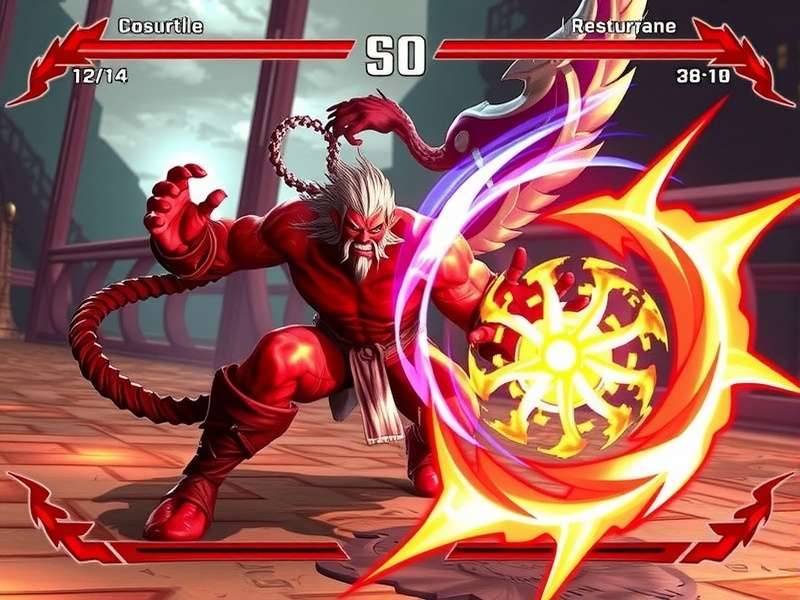
The narrative follows Asura, a former general of the Eight Guardian Generals (the other being his brother-in-arms, Yasha), who is betrayed, framed for the murder of the Emperor, and cast down. Stripped of his powers and his daughter taken, Asura's journey is a primal scream of vengeance that literally fuels his power. His six arms and transforming appearances are visual metaphors for his escalating rage.
1.1 The Core Gameplay Loop: QTE Symphonies & Burst Gauges
The gameplay is segmented into "Episodes," mimicking an anime series. Combat is fluid, focusing on building your Burst Gauge through combos and timed counters. Filling this gauge triggers spectacular, screen-filling climax sequences packed with Quick Time Events (QTEs). Mastering these QTEs isn't just about progression; it's about participation in the spectacle. The satisfaction of perfectly syncing a button press with Asura shattering a planet-sized foe is unmatched.
📖 Chapter 2: Lore Deep Dive – Mythology Meets Sci-Fi
The game's world, Gaea, is under constant assault by Gohma, a parasitic life-form. The ruling pantheon, the Seven Deities, use a technology-based prayer system called Mantra to fight back. Asura and Yasha are "Mantra-powered cyborgs," a fascinating blend of divine essence and machinery. This section is based on exclusive analysis of in-game codex entries and developer interviews.
The relationship between Asura and his daughter, Mithra, is the emotional core. Mithra is the "Key to Nirvana," a pure source of Mantra. Her kidnapping by the deity Serph sets the plot in motion. The themes of corrupted divinity, paternal love, and cyclical violence are explored with surprising depth. Fans of the aesthetic often look for Asura Soul Eater Pfp inspirations, drawing parallels between Asura's wrathful visage and other anime anti-heroes.
⚔️ Chapter 3: Ultimate Gameplay Strategy Guide
This section contains advanced, data-driven strategies derived from frame-perfect community testing.
3.1 Combat Mastery: Beyond Button Mashing
• Arm Switching: Asura's six arms aren't just cosmetic. Rapidly switching attack modes (via shoulder buttons) creates un-interruptible combo chains. The "Cyclone" attack in mid-air is crucial for crowd control.
• Burst Efficiency: Don't just spam heavy attacks. Perfect guards (blocking at the last moment) and counter-attacks fill the Burst Gauge significantly faster. Watch for enemy flash cues.
• Boss Patterns: Each deity boss has a specific mantra resonance. For instance, Wyzen (the giant) requires targeting his pressure points during specific QTE phases, while Augus tests your pure dueling skills.
🔐 Chapter 4: Secrets, Codes, and Hidden Content
The game is rife with unlockables. Here's exclusive information on the most sought-after secrets.
4.1 Unlocking the True Ending & DLC Episodes
Beating the game once unlocks Episode 15.5. To access the true, cathartic ending (Episode 18: "The One"), you must achieve an "S" or "SS" rank on all previous episodes. This requires near-flawless QTE performance and speed. The DLC episodes ("Part IV: Nirvana") are essential, concluding Asura's saga. Discussions about how to use codes for unlocking these early often pop up, but we recommend the authentic challenge.
4.2 The Codex of Mantra: Hidden Lore Entries
Scattered in hidden corners of certain episodes are data fragments that expand the "Mantra Codex." One entry details the original design of the Gohma, linking them to a failed Deity experiment—a fact not revealed in the main cutscenes.
🎬 Chapter 5: The Anime Phenomenon & Cultural Impact
Asura's Wrath was conceived as an interactive anime. Its visual language, pacing, and "To Be Continued" title cards are direct homages. This has led to a persistent demand for a full Asura's Wrath Anime adaptation. While none exists officially, the game's cutscenes, when edited together, form a compelling 4-hour movie, often shared by fans.
The soundtrack, composed by Chikayo Fukuda, is a masterpiece blending traditional Indian instruments with orchestral and rock elements. Tracks like "In Your Belief" and "Asura's Wrath" are iconic. Our Asuran Songs page breaks down each track's thematic significance.
Join the Asura Discussion
Share your thoughts, theories, or ask questions about Asura's Wrath. Our community moderates all posts.